History of Decaffeination and Infré SA
Discover the fascinating evolution of coffee and tea decaffeination, from 20th-century accidental discoveries to modern, sustainable processes. This series explores how science and consumer trends shaped the industry, while highlighting the unique entrepreneurial journey of Infré SA since 1946. Dive in to see how a seemingly simple product became a decades-long story of innovation.
1 – How coffee decaffeination started
The trigger was a chance discovery
Several sources describe how Roselius in the year 1903 came up by chance with the idea to decaffeinate coffee, when a shipment of green coffee beans came into contact with seawater during transport and subsequently contained significantly less caffeine but still had plenty of aroma. This was the crucial observation: caffeine can be selectively extracted if the coffee beans are first “opened” with water.Bremen coffee merchant Ludwig Roselius is therefore considered being at the origin of commercial coffee (and susequently tea) decaffeination.
The Roselius process is the first industrially applied decaffeination process for coffee. The process, using organic solvents to remove caffeine from green coffee beans, was developed by Ludwig Roselius around 1906. He later founded the Kaffee HAG brand, which made decaffeinated coffee popular and was sold in Germany and many other countries.
How the Roselius process works:
Steaming the green coffee beans –The beans are treated with steam to open up the cell structure.
Extraction with solvent – The beans are then treated with a solvent (originally benzene) that selectively eliminates caffeine from the green coffee beans.
Removal of the solvent – The solvent residues evaporate through heating and drying.
Roasting – The decaffeinated coffee beans are then roasted as usual.
Advantages
Technically simple, very efficient at removing caffeine, basis for modern decaffeination processes.
Disadvantages & current assessment
Benzene is harmful to health (now banned), loss of aroma due to aggressive extraction.
The Roselius process is historically important, but no longer permitted today. Modern methods, using ethyl acetate, CO₂ or the Swiss Water Process, are significantly safer and preserve the aroma better.
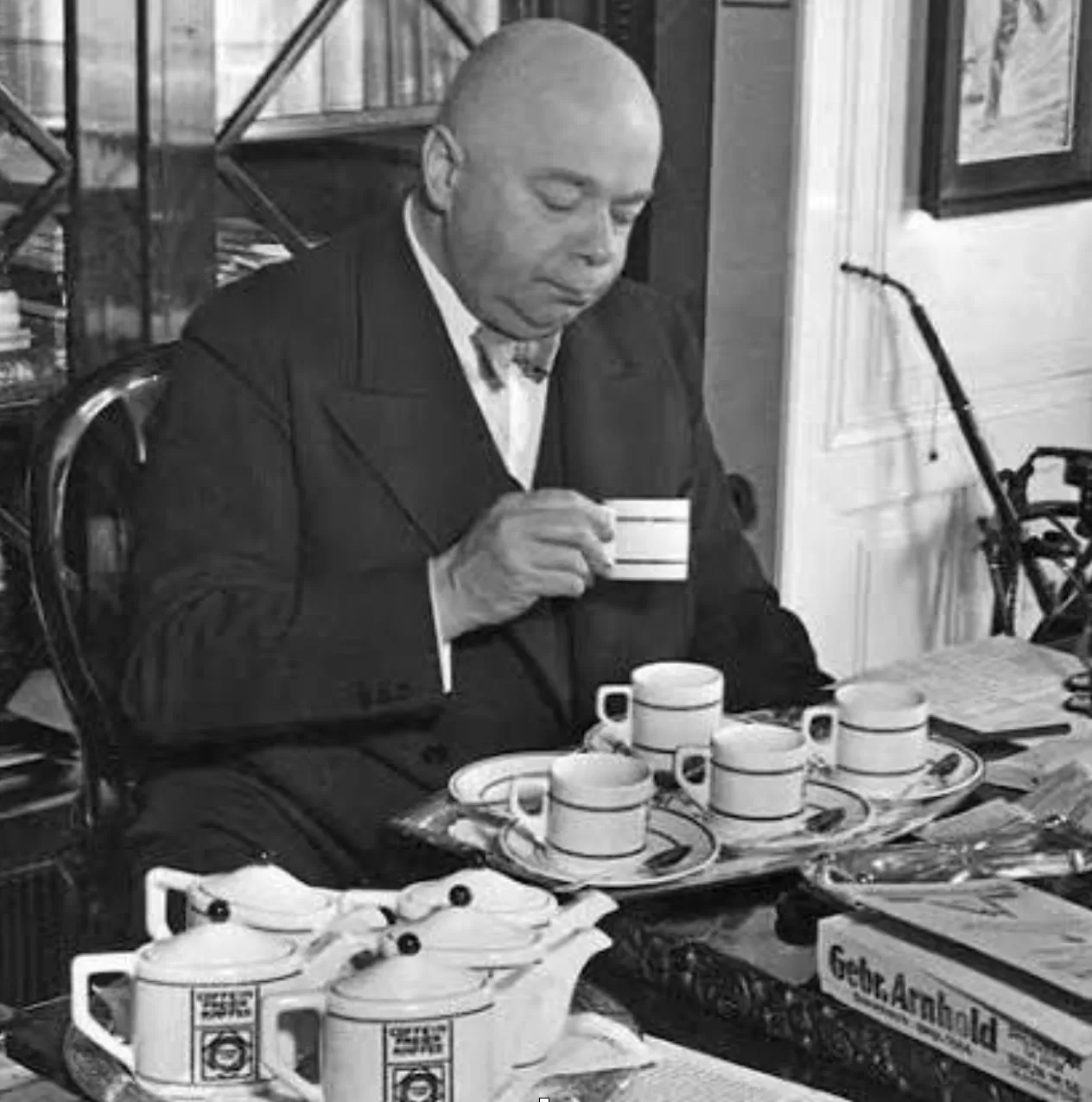
He was born in Bremen and is considered the inventor of commercial decaffeination of coffee.
2 – How tea decaffeination started
Dr. Theodor Grethe and tea decaffeination
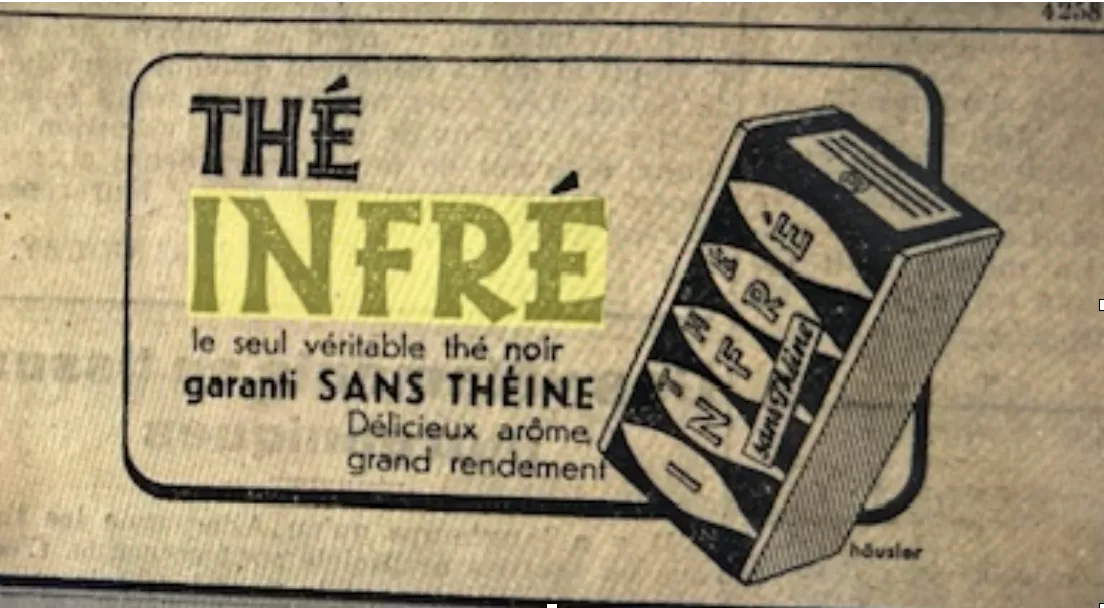
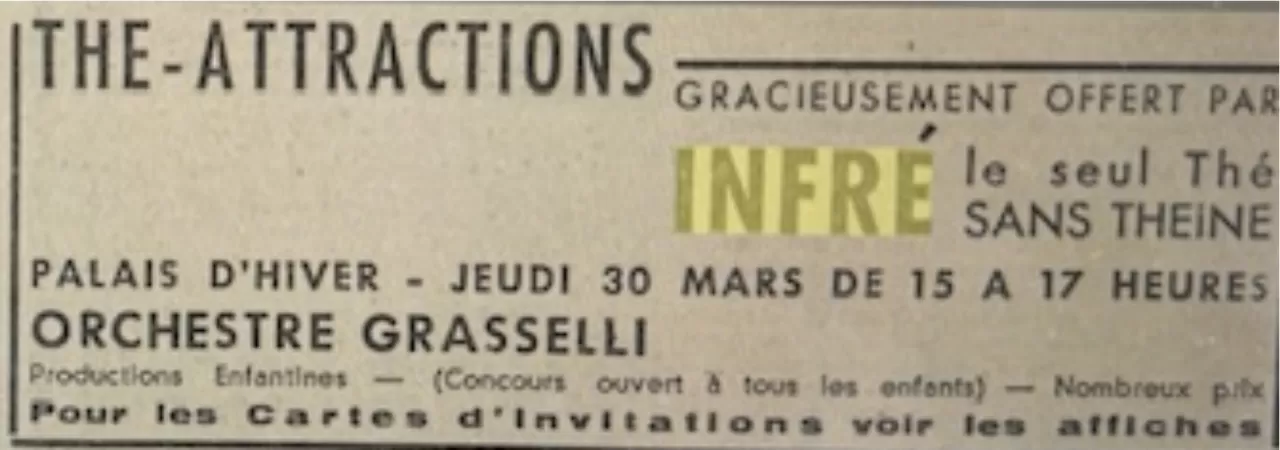
Dr. Theodor Grethe, a German chemist, is considered one of the early pioneers of tea decaffeination. He developed the first practical method for decaffeinating tea around the year 1923.Dr. Grethe worked on a gentle extraction process in which the caffeine was removed with solvents without significantly affecting the aroma of the tea. His work was based on earlier developments in coffee decaffeination, as described above. He successfully transferred the coffee decaffeination technique to tea. Dr. Grethe began commercially selling his decaffeinated tea in the mid-1920s (around 1924–1925) in Germany. The commercial launch took place in Bremen, which at the time was one of Europe’s most important tea import and trading centers. From there, the product was distributed within Germany and to other European markets through established tea trade networks.It was not possible to determine exactly when Dr. Grethe began to sell decaffeinated tea in Switzerland. The advertisements in Swiss daily newspapers below show, that Infré tea was definitely available for purchase in Switzerland in 1939: