
How coffee decaffeination started
The trigger was a chance discovery
Several sources describe how Roselius in the year 1903 came up by chance with the idea to decaffeinate coffee, when a shipment of green coffee beans came into contact with seawater during transport and subsequently contained significantly less caffeine but still had plenty of aroma. This was the crucial observation: caffeine can be selectively extracted if the coffee beans are first “opened” with water.Bremen coffee merchant Ludwig Roselius is therefore considered being at the origin of commercial coffee (and susequently tea) decaffeination.
Additional information in collapsible elements
This is a test ...
Realisation of the first coffee decaffeination process (Roselius process)
The Roselius process is the first industrially applied decaffeination process for coffee. The process, using organic solvents to remove caffeine from green coffee beans, was developed by Ludwig Roselius around 1906. He later founded the Kaffee HAG brand, which made decaffeinated coffee popular and was sold in Germany and many other countries.
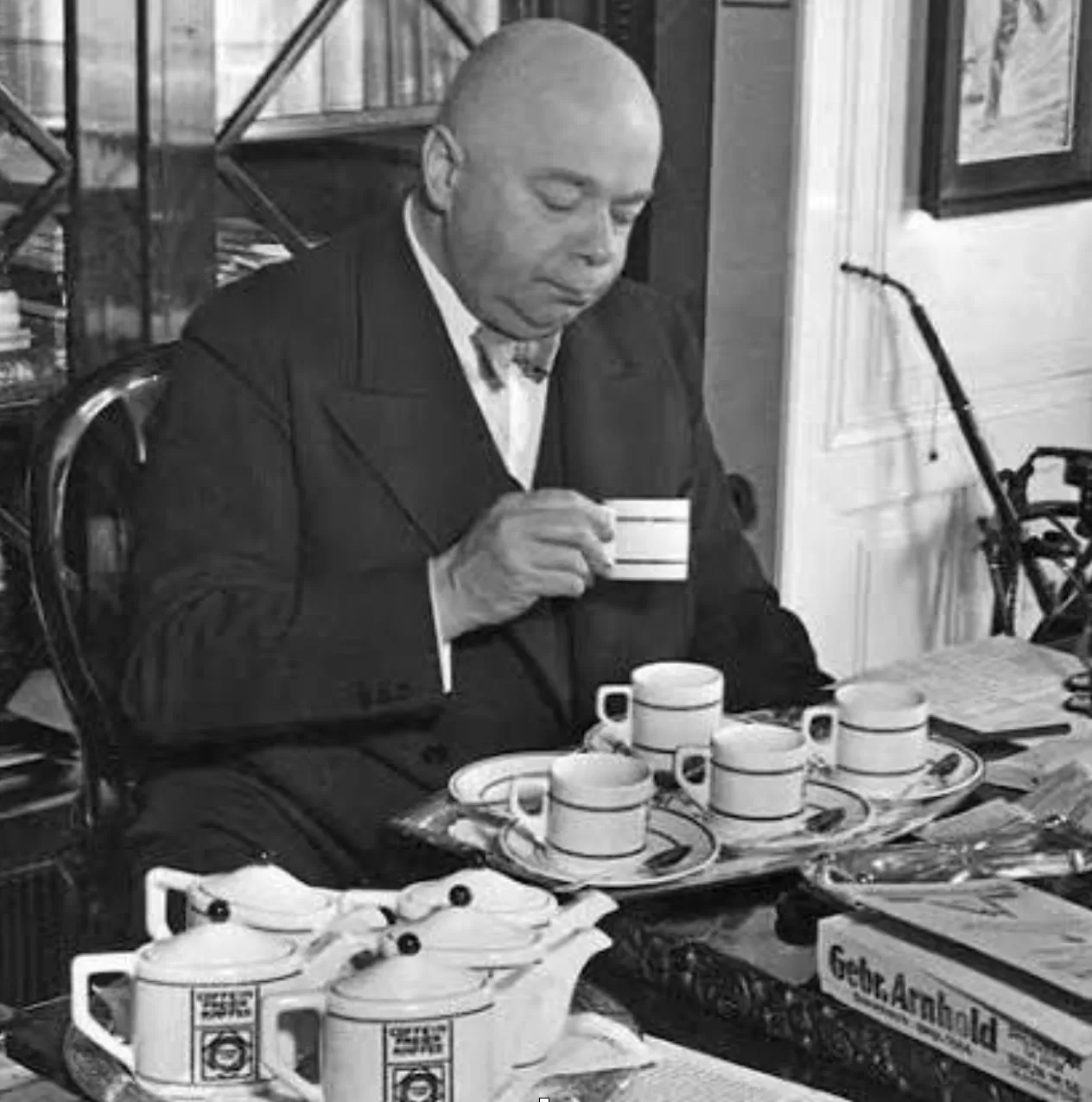
He was born in Bremen and is considered the inventor of commercial decaffeination of coffee.